Resiliency: How I Know Data Centers Could Do Better

Resiliency, for me, is the thread that ties my past to the world I work in today. Though it is a broad concept in the sustainability community, it is a true lived experience for me. Growing up in the Caribbean taught me what it means to adapt, to stretch limited resources, and to build systems that keep people going even when the infrastructure around them fails.
Where I’m from, sustainability wasn’t a buzzword. It was survival. And the lessons from that environment shape how I think about resiliency in the context of today’s most energy intensive infrastructure: data centers.

Caribbean Lessons in Everyday Resilience
In the Dominican Republic, the lack of education around waste management has long caused drainage issues, flooding, and public health challenges. The government never had the resources to teach communities about trash, resiliency, or long term environmental stewardship. So people learned to adapt in their own ways.
But the most powerful lessons came from our relationship with electricity and water.
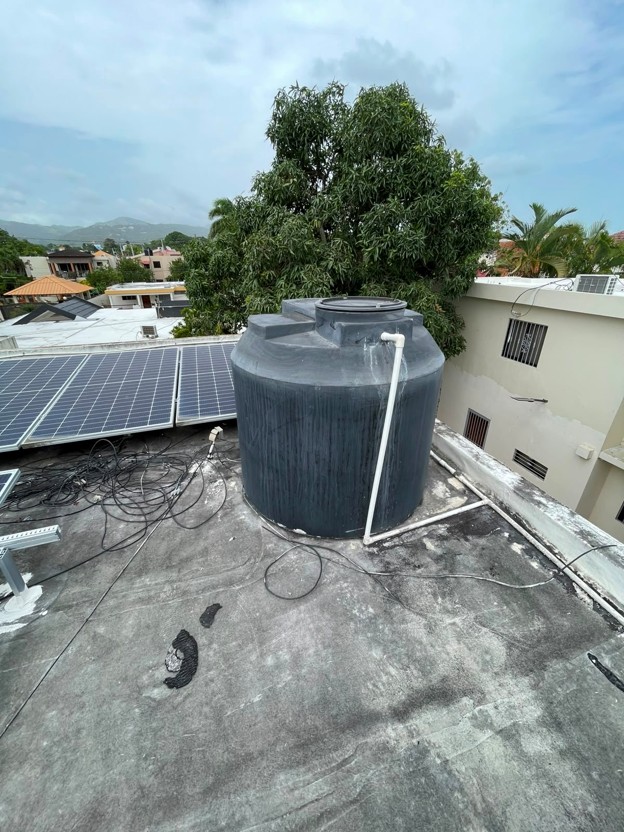
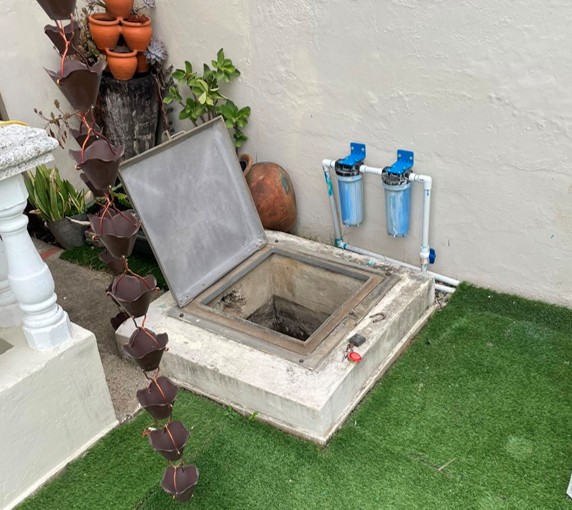
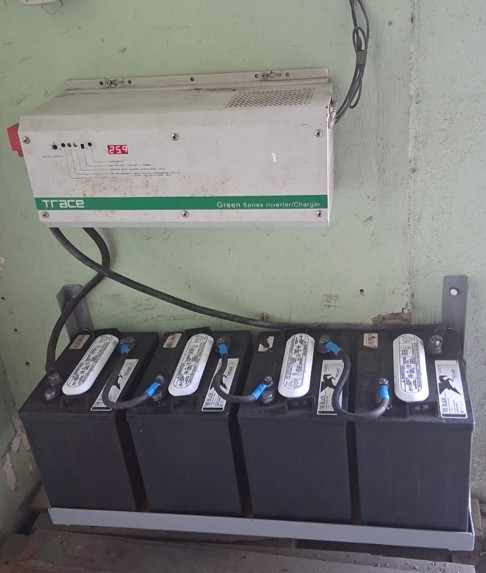
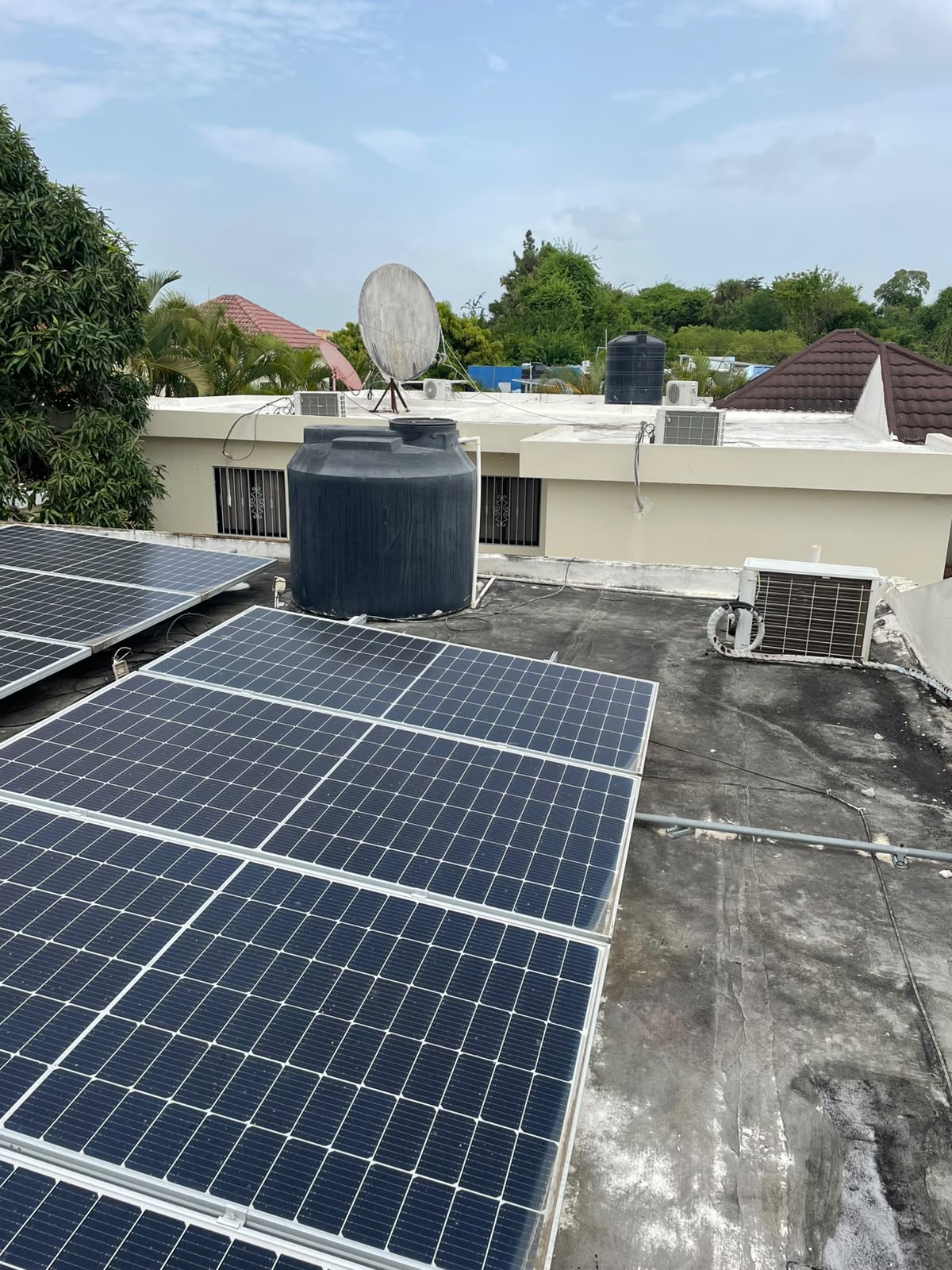
The Dominican Republic’s power infrastructure is outdated. I grew up with frequent power outages, sometimes daily, sometimes lasting hours. And because of that, people built their own micro resilient systems:
Lessons for Data Centers from the Dominican Republic?
We are living in a world where 99.999% uptime is the standard for data centers. Data centers are among the most power reliant buildings on the planet. They cannot blink. They cannot pause. They cannot “wait for the grid to come back.”
And yet, the world around them is becoming more unstable.
Climate change is increasing the frequency of:
- Heat waves, which spike electricity demand and strain grids.
- Snowstorms, which can knock out transmission lines.
- Hurricanes, floods, and tornadoes, which can destroy substations and leave communities without power for days or weeks.
This matters because data centers already consume enormous amounts of electricity:
- Global data centers used 415 TWh of electricity in 2024, about 1.5% of all electricity worldwide.
- By 2030, demand could reach 945 TWh, nearly the consumption of Japan.
- In the U.S., data centers used 176 TWh in 2023, about 4.4% of national electricity sales, and could reach 9–12% by 2030.
- The global data center fleet draws 50–60 GW of power today, projected to reach ~130 GW by 2028.
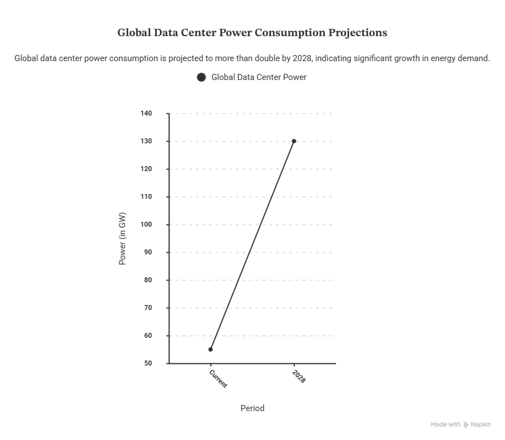
These numbers are staggering, and they’re rising fast because of AI.
The Opportunity: Data Centers as Community Resilience Hubs
Here’s the part that fascinates me: data centers, because of their extreme reliability requirements, may become some of the most resilient buildings in our communities, and with the right sustainability strategies can become regenerative buildings that connect communities with great resources
They already have:
- Backup generators
- Large scale battery systems
- On site fuel reserves
- Redundant power feeds
- Cooling systems designed for extreme conditions
- Unlimited educational resources and expertise
Some operators are even exploring onsite natural gas generation, small modular nuclear reactors, and advanced geothermal to ensure uninterrupted power.
In a world where climate events will increasingly disrupt the grid, these facilities could become more than digital infrastructure. They could become physical resilience anchors.
Imagine:
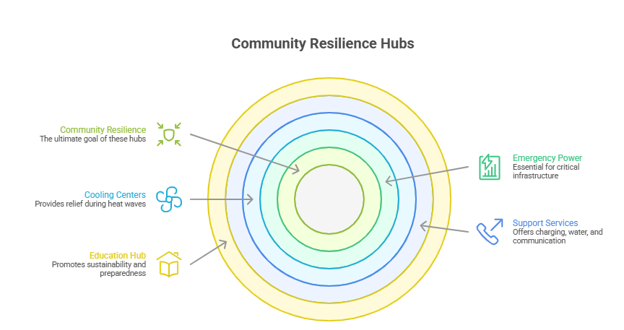
- A data center providing emergency power to nearby shelters during a blackout.
- A facility serving as a cooling center during heat waves.
- A campus offering charging stations, water access, or communications support after a hurricane.
- A data center supporting district heating and cooling networks by recovering and distributing waste heat, reducing reliance on individual heat pumps and air conditioning systems, easing grid demand during peak conditions, and improving overall community resilience.
- A resilient building becoming a community education hub for sustainability and emergency preparedness.
This isn’t far fetched. It’s a natural extension of what data centers already do: stay online when everything else goes offline and become a resiliency preparedness operator for the communities around them. In the Dominican Republic, hurricane vulnerability and electricity outages have made some resilient facilities often become informal community hubs after major storms. When the grid goes down and water service is interrupted for long periods of time people naturally gravitate toward places that still have electricity, backup generation, internet connectivity, and access to clean water. These buildings become places to charge phones, store medications, access information, cool off from the heat, and reconnect with family.
In addition to this, data center relations could extend its community interaction far beyond basic resource sharing. They can provide expertise on emerging technologies, help assess the applicability of those technologies within the local context, and identify ways to replicate resiliency solutions across neighborhoods. They also serve as connectors, linking residents, local organizations, and data center partners in ways that strengthen social and technical resilience.
This can be done through resiliency preparedness programs operated by data centers, creating structured pathways for training, knowledge exchange, and community‑driven innovation. Embedding these programs within community hubs ensures that technological advancements translate into practical, locally relevant benefits
In Summary
When I think about resiliency, I think about people adapting, reducing loads, naturally ventilating homes, stretching water supplies, sharing resources with neighbors, replicate solutions that work
I think about how communities survive when systems fail.
And I see a parallel opportunity in the digital infrastructure we’re building today. Data centers are often criticized for their energy use, and that criticism is valid. But they also represent a unique chance to build shared resilience into our communities.
Just like the Caribbean taught me: resiliency isn’t just about surviving. It’s about showing up for each other. And that’s exactly why data centers must prioritize community connection and make a genuine commitment to supporting the people around them.

View More Resources
Benefit from our expertise