High Impact Materials for Low Carbon Industrial Projects

Insights into the materials that matter most in industrial construction and the choices that drive embodied carbon reduction.
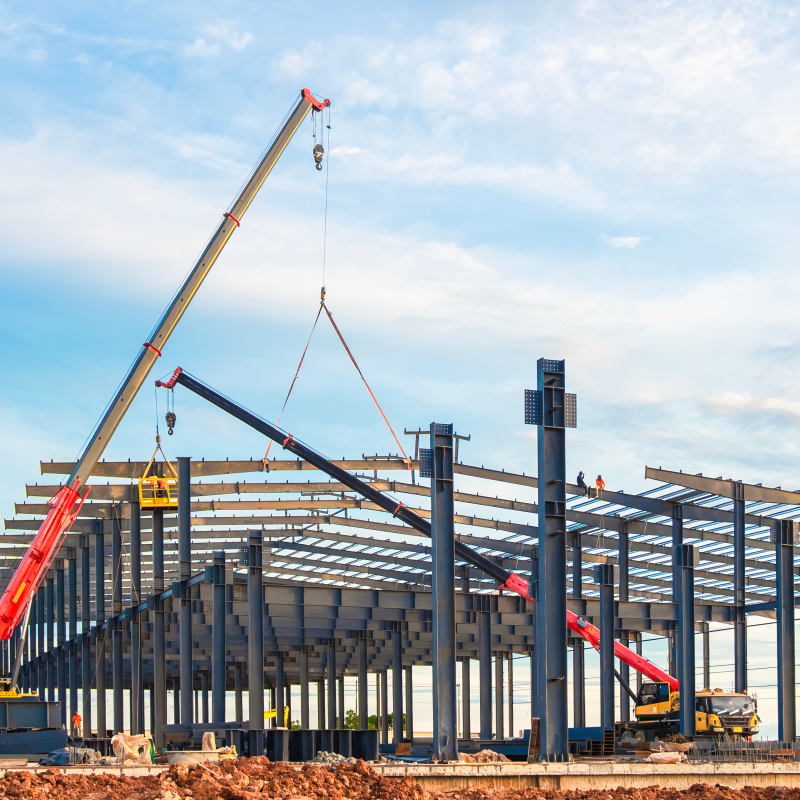
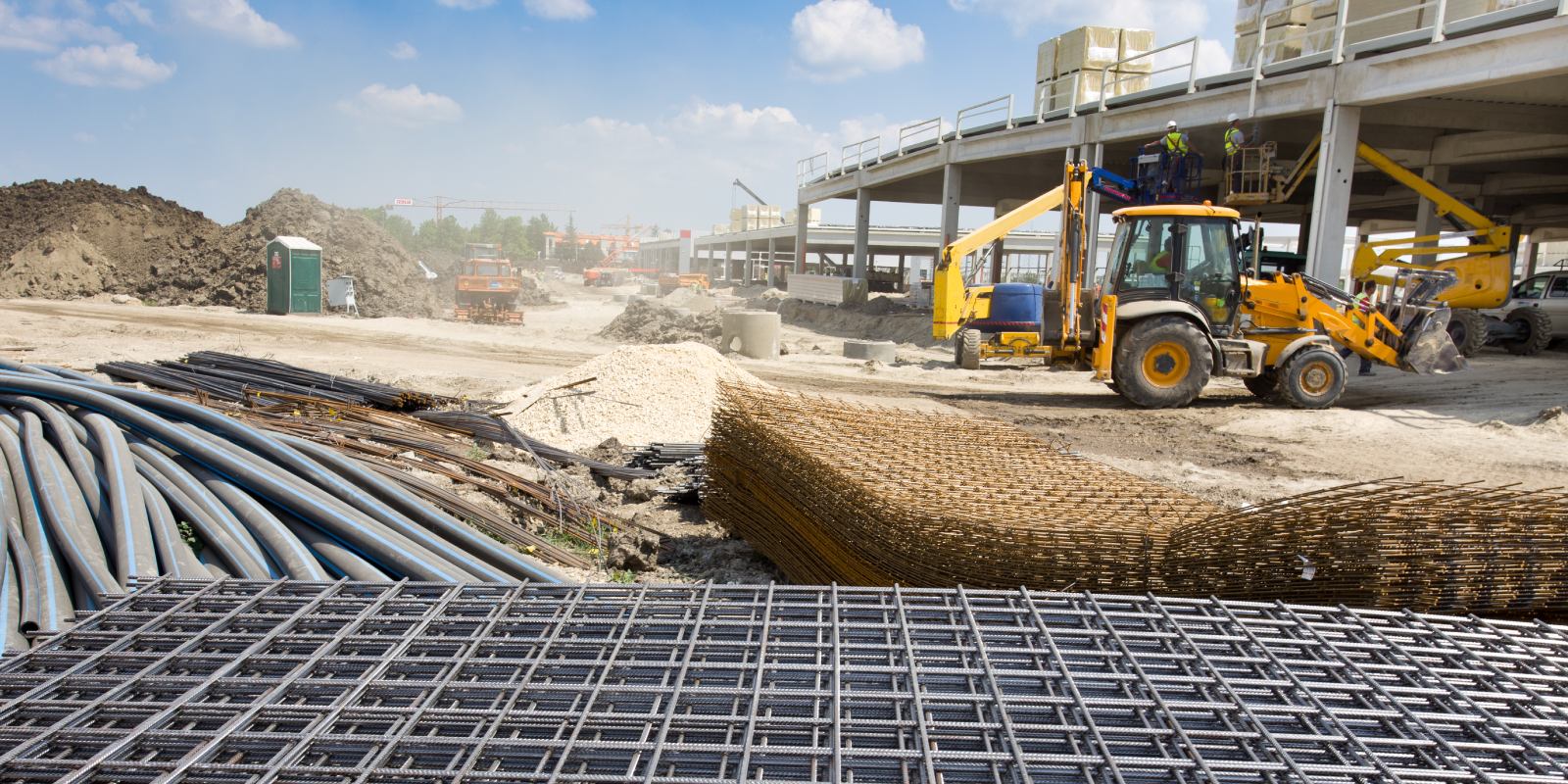
Concrete, steel, asphalt, and plastic account for 84% of embodied carbon emissions in industrial warehouse construction, as estimated in BranchPattern’s Embodied Carbon Benchmark Study v2. Most upfront material emissions are associated with the extraction and manufacturing (modules A1-A3), yet project teams often do not have actionable guidance on mitigating this upstream carbon impact. Owners and designers have influence over material selection and procurement for embodied carbon reduction. Of the Five Key Strategies for Meaningful Embodied Carbon Reductions—renovate, reduce, reuse, replace, and require—project owners and specifiers have direct influence over material replacement for low carbon alternatives and requirement of sustainable material standards. BranchPattern has developed recommendations to inform project teams interested in reducing embodied carbon through replacement and requirement strategies.
In the study, industry average Environmental Product Declarations (EPDs) are used to establish a baseline A1-A3 Global Warming Potential (GWP). Market ready manufacturer- or factory-specific low carbon material EPDs are compared against industry average baselines to demonstrate carbon savings that can be expanded across an entire project, enabling impactful embodied carbon reduction through material selection. Across construction materials, A1-A3 decarbonization strategies include raw material reduction, increased manufacturing efficiency, and proprietary product selection. Raw material reduction can include replacing high-carbon inputs like Portland cement with alternatives like slag or fly ash supplementary cementitious materials (SCMs); or integrating recycled material into new products like 100% recycled steel or recycled asphalt pavement (RAP). Increased manufacturing efficiency is a primary strategy in decarbonization of steel, as electric arc furnace (EAF) technology replaces blast furnace (BF) with more energy efficient processes for smelting. Warm-mix asphalt (WMA) also reduces the energy required in asphalt processing by lowering the temperature that materials are heated. Proprietary practices are also established for low-GWP products like Neopor insulation or low carbon TPO, which provide carbon savings through manufacturer production practices.
As embodied carbon reduction becomes a significant strategy in construction, new products and materials are entering the market to provide alternatives to high-impact components. Project teams can look to building practices abroad to identify low carbon strategies that are not yet widespread within the U.S. market. Portal frame and metal panelized buildings popular in Europe demonstrate reliable construction with sustainability, recycling, and building disassembly in mind. Mass timber is already growing in popularity in North America as an alternative to structural steel and enclosure systems, and when sustainably harvested, wood can act as a carbon sink while serving as a reliable construction material. Emerging concrete products, not yet widely available at scale, often rely on experimental processes using renewable energy systems, electrochemical processes, and sustainable raw material sourcing to reduce embodied carbon emissions. Bio-based alternatives to traditional insulation are evolving as companies explore wood, straw, wool, and mushroom-based raw materials. Industry leaders should consider these emerging opportunities for carbon reduction for future projects.
In Summary
Project teams can prioritize low embodied carbon materials for significant carbon savings on projects, but there are opportunities beyond material selection for A1-A3 emissions reductions. Life cycle embodied carbon emissions can be reduced through optimized structural systems, local product sourcing, and designing for material disassembly and end-of-life waste management practices. This industry trend study and comparative analysis is provided as a resource for strategizing low embodied carbon material selection, but sustainable sourcing goes beyond carbon. Engaging in sustainability considerations early in design opens the door to many material decarbonization possibilities. For more information on how BranchPattern can support these conversations, please reach out to our team.
View More Resources
Benefit from our expertise